
The modern workforce continues to evolve in ways that affect hiring, training, and daily operations. Technology adoption, employee expectations, and demographic shifts are no longer isolated issues. They overlap and influence how organizations function at every level. Managing change requires structure, clarity, and consistent processes that support both employees and leadership teams.
A practical approach to managing change focuses on preparation and follow-through. Businesses that define standards early and reinforce them consistently are better positioned to adapt without sacrificing productivity or service quality.

How Workforce Change Shows Up in Daily Operations
Workforce change is rarely abstract. It affects schedules, communication, training timelines, and performance outcomes. Common indicators include:
- Increased time spent onboarding new employees
- Gaps between required skills and existing capabilities
- Higher turnover in specific roles or departments
- Communication breakdowns across teams
- Inconsistent adherence to safety or appearance standards
Recognizing these signals early allows leaders to respond with intention rather than urgency.
Evolving Skill Requirements
Technology has reshaped many roles, particularly in manufacturing, logistics, healthcare, and service environments. Automation and connected systems reduce repetitive tasks, but they also require employees to monitor, adjust, and maintain equipment.
Key challenges organizations face include:
- Experienced workers needing support to learn new systems
- New hires lacking hands-on operational knowledge
- Training programs struggling to keep pace with technology updates
This change in the workplace calls for targeted development rather than wholesale replacement. Incremental training, peer mentoring, and cross-functional exposure help bridge skill gaps while preserving institutional knowledge.

Generational Differences in the Workplace
Workforces have always included employees at different stages of their careers. What has changed is the range of expectations shaped by economic shifts, technology, and evolving workplace norms. These differences often influence how employees approach communication, scheduling, and advancement.
Common areas where expectations may differ include:
- Preferences for how feedback is delivered
- Comfort with digital tools and systems
- Views on flexibility and work structure
- Expectations around career progression
Rather than focusing on age-based categories, effective leaders focus on alignment. Clear policies, documented expectations, and consistent evaluation criteria help reduce friction across teams. Dealing with change in the workplace becomes more manageable when standards apply evenly and are reinforced through everyday management practices.
Shifting Workforce Demographics
Demographic shifts continue to influence how workforces are structured. Greater cultural diversity and varied educational backgrounds can strengthen organizations, but they also introduce new considerations for training and communication.
Operational responses that support clarity include:
- Visual training materials and signage
- Simplified written instructions
- Consistent role identification
- Standardized safety practices
Coping with change in the workplace often depends on how accessible systems are for all employees. When processes are designed with clarity in mind, teams adapt more quickly and errors decline.

A Practical Approach to Change Management
Change management in the workplace is most effective when it follows a defined framework. Rather than reacting to issues as they arise, organizations benefit from repeatable processes that guide decision-making.
Below are workforce management strategies designed for usability and clarity.
Workforce Action Checklist
Evaluate performance and engagement
- Identify employees who consistently meet defined performance standards
- Use measurable criteria rather than subjective assessments
Strengthen retention efforts
- Create clear pathways for development and advancement
- Address training, scheduling, and workload balance where possible
Improve communication
- Establish regular updates tied to operational goals
- Provide consistent feedback channels for employees and supervisors
Address skills gaps
- Assess which gaps can be resolved through training
- Identify roles that require external recruitment
Plan hiring strategically
- Align recruiting timelines with onboarding capacity
- Avoid overloading teams during transitions
Manage performance issues
- Apply documented standards consistently
- Use compliant processes when addressing ongoing issues
Control operational costs
- Review workflows and vendor relationships
- Look for efficiencies that do not reduce quality or safety
This framework provides tools for managing change while maintaining stability across teams.
Maintaining Consistency During Workforce Transitions
As staffing levels shift, maintaining consistency becomes more challenging. New employees, internal transfers, and turnover can affect safety, appearance, and service standards.
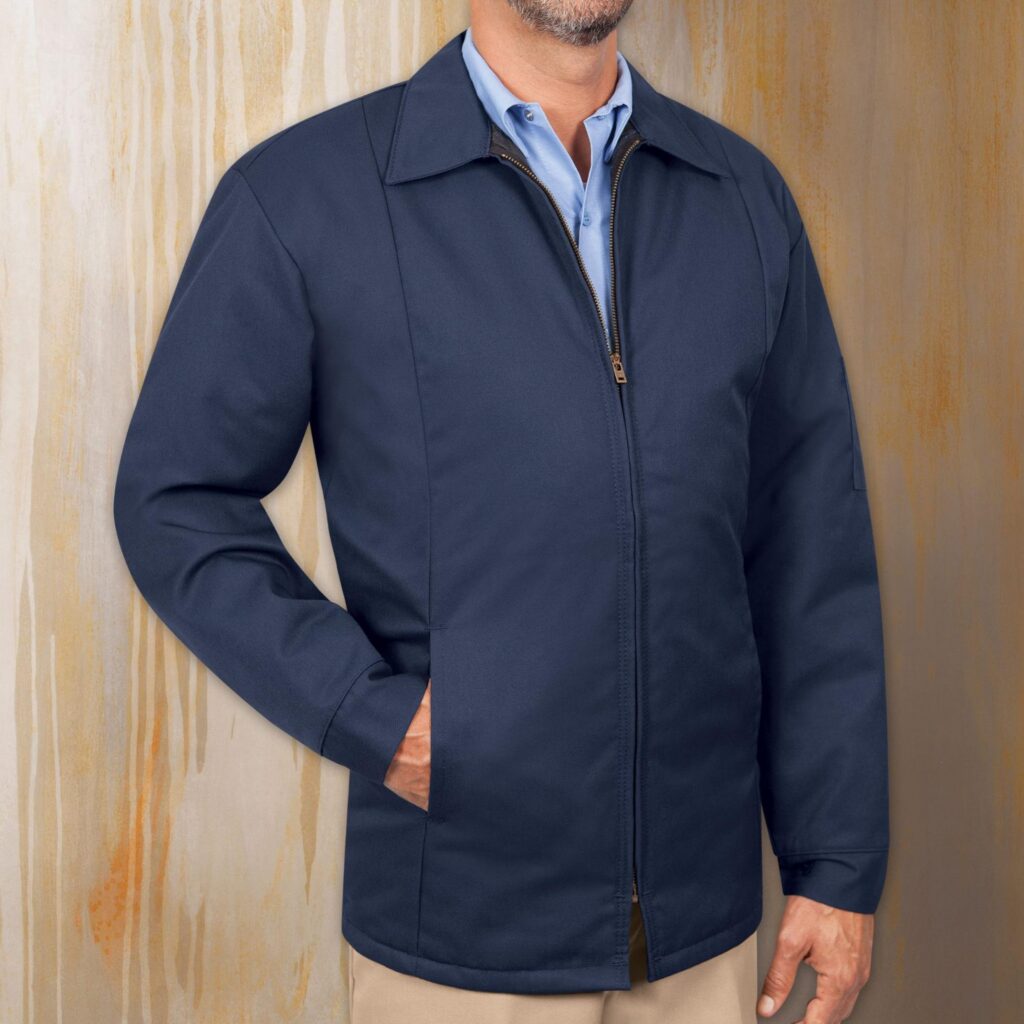
One area where consistency matters is employee apparel. Clear, standardized clothing supports role recognition, professionalism, and compliance. Partnering with a work uniform company helps organizations maintain this consistency without adding administrative burden.
A structured work uniform rental program ensures garments are cleaned, repaired, and replaced on a predictable schedule. This reduces manager oversight while supporting uniform availability during onboarding or staffing changes.
Reliable work apparel and uniforms also support safety requirements in many environments. When clothing is managed through professional uniform services, organizations gain predictable costs and consistent presentation across locations and shifts.
Long-Term Workforce Planning
Workforce change is ongoing. Labor availability, technology, and employee expectations will continue to evolve. Organizations that review their workforce strategies regularly are better prepared to adapt.
Effective long-term planning includes:
- Periodic evaluation of staffing models
- Ongoing assessment of training needs
- Consistent review of operational support services
- Scalable systems that adjust as teams grow or contract
Managing change successfully depends on aligning people, processes, and support resources. When those elements are coordinated, organizations maintain stability even during periods of transition.
Supporting Your Workforce With Prudential Overall Supply
Prudential Overall Supply helps businesses maintain consistency during workforce changes by managing employee uniforms from start to finish.
Our work uniform rental program includes garment delivery, professional laundering, repairs, and replacements, so employees are always properly equipped without adding work for managers. This support helps reduce onboarding friction, maintain safety standards, and present a consistent appearance across teams and locations. When staffing levels shift or roles change, your uniform program stays reliable and predictable.
Contact Prudential Overall Supply to learn how our corporate uniforms and facility services can support your workforce operations.