
Delivering a strong hospitality guest experience requires consistent attention to service details, staff presentation, and guest expectations. While property size and price point may vary, the core goal remains the same: create positive interactions that encourage return visits and recommendations.
Focusing on service standards, employee training, and brand consistency supports a reliable guest experience across all touchpoints.
8 Practical Strategies That Support Consistent Service Quality
These eight best practices focus on daily operations that directly influence how guests perceive service, staff professionalism, and overall value throughout their stay.
1. Use the check-in process to understand guest needs
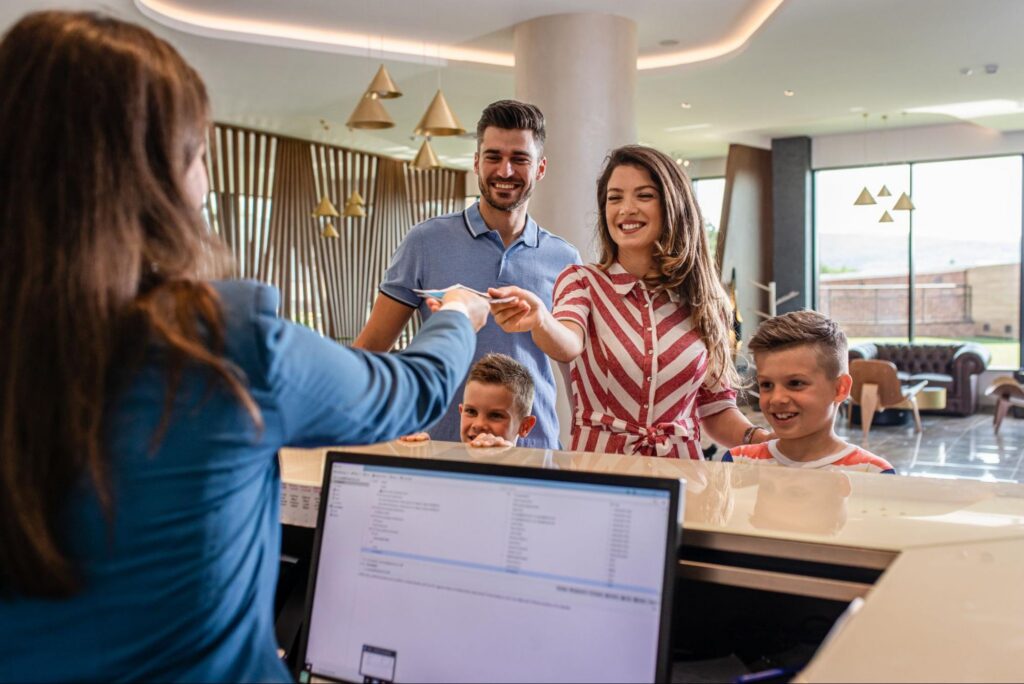
Check-in sets the tone for the entire stay and plays a direct role in guest satisfaction in the hospitality industry. Front desk teams should be trained to ask purposeful questions and listen carefully to responses. Business travelers, families, and leisure guests all have different priorities. Knowing those priorities helps teams respond appropriately, which is a proven way of learning how to improve guest experience in hotels without adding complexity.
Digital tools like mobile check-in and pre-arrival emails can support personalization, but in-person interactions still matter. Using a guest’s name, confirming preferences, and clearly explaining amenities can immediately improve guest experience and reduce friction during the stay.
2. Maintain professional and consistent staff appearance
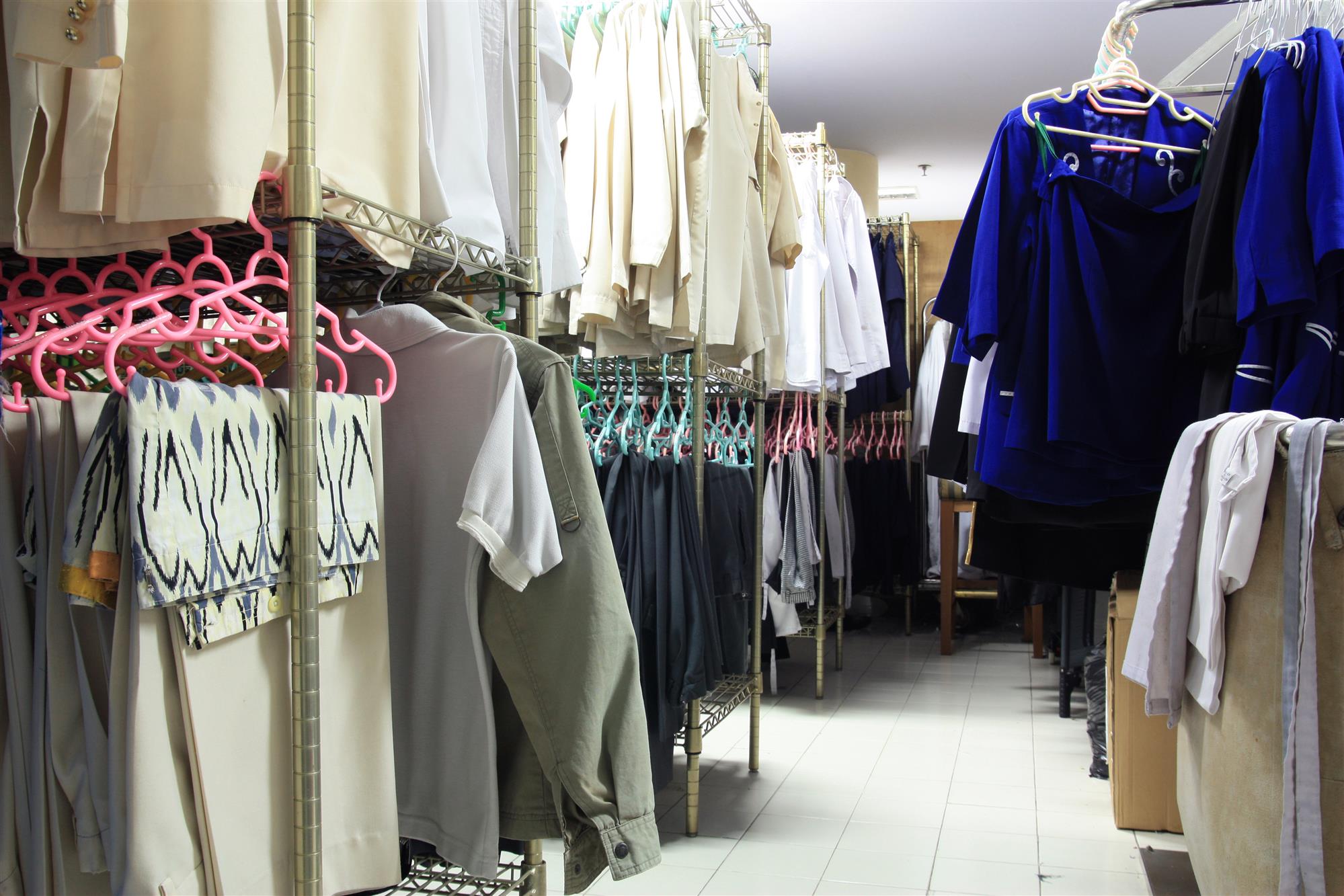
Employee presentation shapes first impressions and reinforces trust. Clean, well-fitted hospitality uniforms help guests identify staff quickly and signal organization and professionalism. A consistent hotel staff uniform also supports brand recognition across departments, from front desk to housekeeping.
Many operations rely on a work uniform rental program to maintain consistency, simplify inventory management, and ensure garments meet cleanliness standards. When uniforms are managed properly, employees can focus on service delivery rather than appearance concerns.
3. Create calm, guest-focused public spaces

Guest-facing areas should feel welcoming and orderly at all times. Staff conversations, personal phone use, or operational issues should remain out of sight and hearing. Clear communication standards and supervisory presence help maintain an environment that supports exceptional guest service.
In addition, set expectations for how staff move through shared spaces during busy periods. For example, define where quick internal huddles can occur, establish radio volume standards, and create simple scripts for acknowledging guests when staff are passing through. These small behaviors reduce perceived chaos during peak arrival and departure times.
4. Recognize and reward returning guests
Loyalty programs, preference tracking, and small acknowledgments contribute directly to long-term guest satisfaction. Simple gestures such as room placement preferences or welcome-back notes demonstrate attention to detail and support stronger hotel guest satisfaction outcomes.
To make recognition consistent, document preferences in a shared system and train teams on how to use it. Consistency matters more than scale. A reliable process for noting pillow types, late checkout patterns, or accessibility requests helps teams deliver on promises without relying on memory.
5. Strengthen online presence and reputation
A clear, mobile-friendly website with accurate photos and updated information supports booking decisions and sets expectations for the overall hospitality experience. Managing online reviews is equally important. Thoughtful responses to feedback show accountability and influence future bookings tied to the experience in hospitality your brand delivers.
Include practical information that prevents avoidable surprises, like parking details, noise considerations, renovation notices, and amenity hours. When expectations match reality, complaints drop and service teams spend less time on damage control.
6. Build a reliable service recovery process

Even strong properties face maintenance issues, timing delays, and missed details. The difference is how quickly teams respond and how consistently they follow through. Define what qualifies as an urgent issue, who owns the handoff, and how updates are communicated to the guest. A simple recovery playbook helps new employees act with confidence and helps managers coach to a standard.
When mistakes happen, focus on speed, transparency, and resolution. A timely acknowledgment, a clear timeline, and a documented follow-up step are often more valuable than a generic apology.
7. Train for consistency, not just friendliness
Friendly service helps, but consistency is what creates trust. Build training around repeatable behaviors, including greeting standards, response timing, and escalation steps. Reinforce training with quick refreshers, role-play scenarios, and coaching based on real situations. This approach reduces variation between shifts and departments and improves operational reliability.
8. Align operations across departments
Front desk, housekeeping, food service, and maintenance must work together to support a seamless hotel guest experience. Internal communication and standardized procedures reduce errors and improve response times, strengthening the overall hospitality customer experience.
Make handoffs explicit. Use shared logs for room readiness, maintenance updates, and special requests. Clarify who updates statuses, who confirms completion, and who communicates back to the guest. Clear ownership prevents repeated calls, conflicting answers, and delays during high-volume periods.
When teams are trained consistently and supported by clear standards, properties are better positioned to enhance guest experience at every stage of the stay.
Bring Brand Consistency to Every Guest Interaction
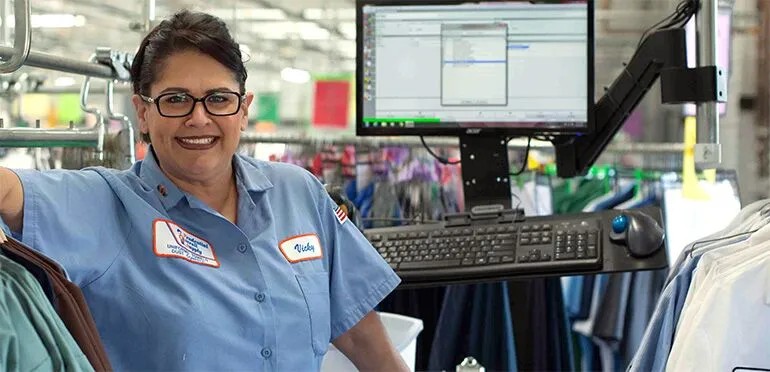
Prudential Overall Supply helps hospitality teams present a unified, professional look that reflects how guests experience your property. Through our uniform identity program, apparel can be customized with logos and name emblems using inkjet printing or direct embroidery.
Our uniform rental program then handles laundering, repairs, and replacements so staff are always guest-ready. This approach keeps presentation consistent across departments while removing the day-to-day burden of managing uniforms in-house.
Contact Prudential Overall Supply to discuss how these programs can support your hospitality operation.