

Uniforms do a lot of heavy lifting. They create a consistent first impression, reinforce your brand, support safety requirements, and make it easier for employees to feel prepared and professional on the job. The best employee uniform program is the one that fits your operation—your workforce size, your environment, your turnover, and how much program management you want handled for you.
Most businesses land in one of three approaches: rental, leasing, or purchasing. Each can work well when it matches how your team operates day to day. Ahead, we’ll break down what each option typically includes, what it’s best suited for, and how newer uniform technology can influence your decision.

Renting Uniforms
Uniform rental programs are designed for businesses that want uniforms managed as an ongoing service. Garments are assigned to individual employees and maintained through regular service, reducing the need for internal oversight while supporting a consistent, professional appearance.
Rental uniform services commonly include:
- Uniforms assigned per employee (not shared inventory)
- Professional laundering on a scheduled basis
- Repairs for normal wear, such as buttons, hems, and zippers
- Replacement when garments reach the end of their usable life
- Size exchanges when fit needs change
- Pickup and delivery through a regular service route
Because uniforms are serviced routinely, rental programs help reduce variability in appearance caused by inconsistent washing or wear. This is particularly important in customer-facing roles or regulated environments where cleanliness and consistency matter.
Branding and customization options include:
- Company logos on work shirts, executive shirts, jackets, and outerwear
- Employee name emblems
- Department or role identifiers
Work uniform rental programs can also simplify onboarding and offboarding. New employees can be added without maintaining extra inventory, and garments are removed from service when employees leave. This helps control losses and keeps the program aligned with current headcount.
When It Makes Sense to Rent Uniforms
Predictable budgeting
Uniform rental costs are spread across the service term rather than concentrated upfront, making planning easier for larger teams or operations with frequent changes.
Consistent appearance across the workforce
Professional laundering and routine service help maintain a uniform look week after week.
Less internal program management
Laundering, repairs, and replacements are handled as part of the program, reducing administrative involvement.
Scales up and down smoothly
Rental supports seasonal hiring, growth, and workforce changes without requiring inventory planning.
Convenience of adding facility textiles to your program
Many rental programs can also include:
- Shop and turk towels
- Floor mats
- Linens

Leasing Uniforms
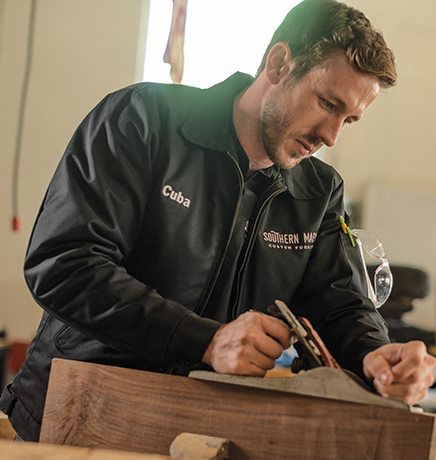
Uniform leasing programs provide a structured, term-based approach to uniforming employees while allowing businesses to retain more control over daily care. It offers consistency and predictability without a full-service model.
Uniform leasing programs typically involve:
- Uniforms issued in proper sizes
- A defined agreement term
- Repair or replacement provisions
- Logo and name customization
Unlike rental, laundering is usually handled internally by the business or employee. This can be a practical option for organizations that already have established laundry processes or whose uniforms do not require industrial cleaning.
Leasing also provides clarity around expectations. Garment styles, branding, and replacement guidelines are typically defined upfront, helping maintain consistency across the team.
When It Makes Sense to Lease Uniforms
Lower upfront cost with more control than rental
Leasing allows uniforms to be issued under an agreement while keeping laundering internal.
Existing laundry capabilities
If uniforms are already laundered in-house or through a preferred provider, leasing can align well.
Lighter-duty work environments
Leasing is often a fit when uniforms do not require specialized washing or frequent repair.
Purchasing Uniforms
Purchasing uniforms outright gives businesses full ownership and control over styles, quantities, and replacement timing. This approach works best when uniform needs are straightforward and headcount is stable.
With a purchase-based program, businesses manage:
- Ordering and issuing uniforms
- Inventory for new hires and replacements
- Repairs and replacement as garments wear out
- Laundering policies, whether employee-managed or company-managed
Purchasing allows organizations to select specific fabrics, fits, and designs without being tied to a service schedule. It can be especially effective when uniforms are worn in lower-impact environments or on a less frequent basis.
Because ownership is internal, purchasing requires planning around replacement cycles, inventory levels, and what happens to uniforms when employees leave.
Branding and reissue considerations include:
- Embroidered company logos
- Employee names via embroidery or patches
- Reusable name options when garments may be reassigned
When It Makes Sense to Purchase Uniforms
Smaller, stable teams
When headcount is consistent and turnover is low, purchasing can be simple and cost-effective.
Uniforms that don’t require ongoing service
For light-duty roles or office-adjacent environments, purchasing may be sufficient.
Brand control is the top priority
Purchasing offers maximum flexibility for companies with specific fabric, fit, or seasonal requirements.
Why Modern Uniform Design Changes the Decision
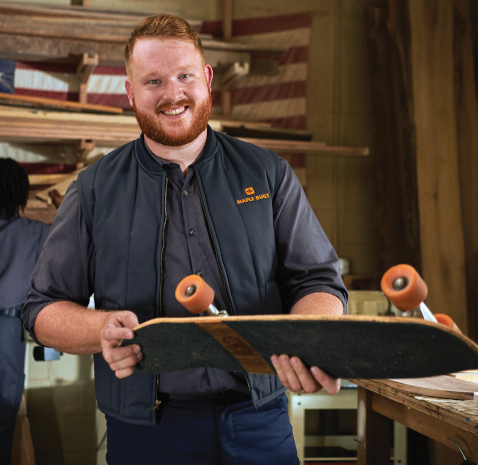
Advances in fabric technology, fit, and performance have changed how work uniforms and apparel are worn and maintained, making program structure a valuable consideration.
Performance fabrics require diligent care
Moisture-wicking materials, stretch fabrics, and lightweight constructions improve comfort but depend on proper cleaning to maintain their benefits over time.
Durability is engineered, not just heavier
Modern uniforms rely on reinforced seams and specialty blends that balance strength with mobility. Repairs and maintenance are most effective when they align with garment construction.
Fit directly affects comfort and compliance
Better fit improves movement, appearance, and wear compliance. Employee uniform programs that support accurate sizing and adjustments help maintain consistency across the workforce.
Safety and visibility apparel has evolved
High-visibility and protective garments now balance compliance with comfort. Ongoing care helps ensure safety features remain effective throughout the garment’s lifespan.
Color and branding depend on maintenance
Expanded color options make uniforms a bigger part of brand presentation. Consistent care helps prevent fading and keeps teams looking uniform.
Choosing the Right Approach for Your Business
Every option—rent, lease, or purchase work uniforms—can be the right choice in the right context. Here’s a simple decision framework:
- If you want service included (laundering + repairs + replacement) and prefer minimal internal management, rental is often the best match.
- If you want lower upfront costs and you’re comfortable managing laundering internally, leasing can be a strong option.
- If you want full control and your team is stable enough to manage distribution and replacement internally, purchasing can work extremely well.
Talk With Prudential Overall Supply About the Right Uniform Program
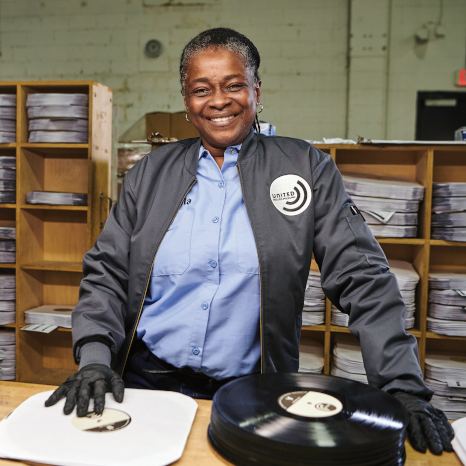
Uniforms should support your operation, not add complexity. Prudential Overall Supply works with businesses to evaluate rental, leasing, and purchasing options based on real-world factors such as work environment, staffing changes, safety requirements, branding standards, and internal resources.
Whether you’re building a uniform program from scratch or refining an existing one, Prudential Overall Supply can help align garments, service levels, and program structure so employees are comfortable, consistent, and ready to work.
To discuss uniform options for your business with one of the most trusted uniform service companies, contact Prudential Overall Supply at 800-767-5536.