
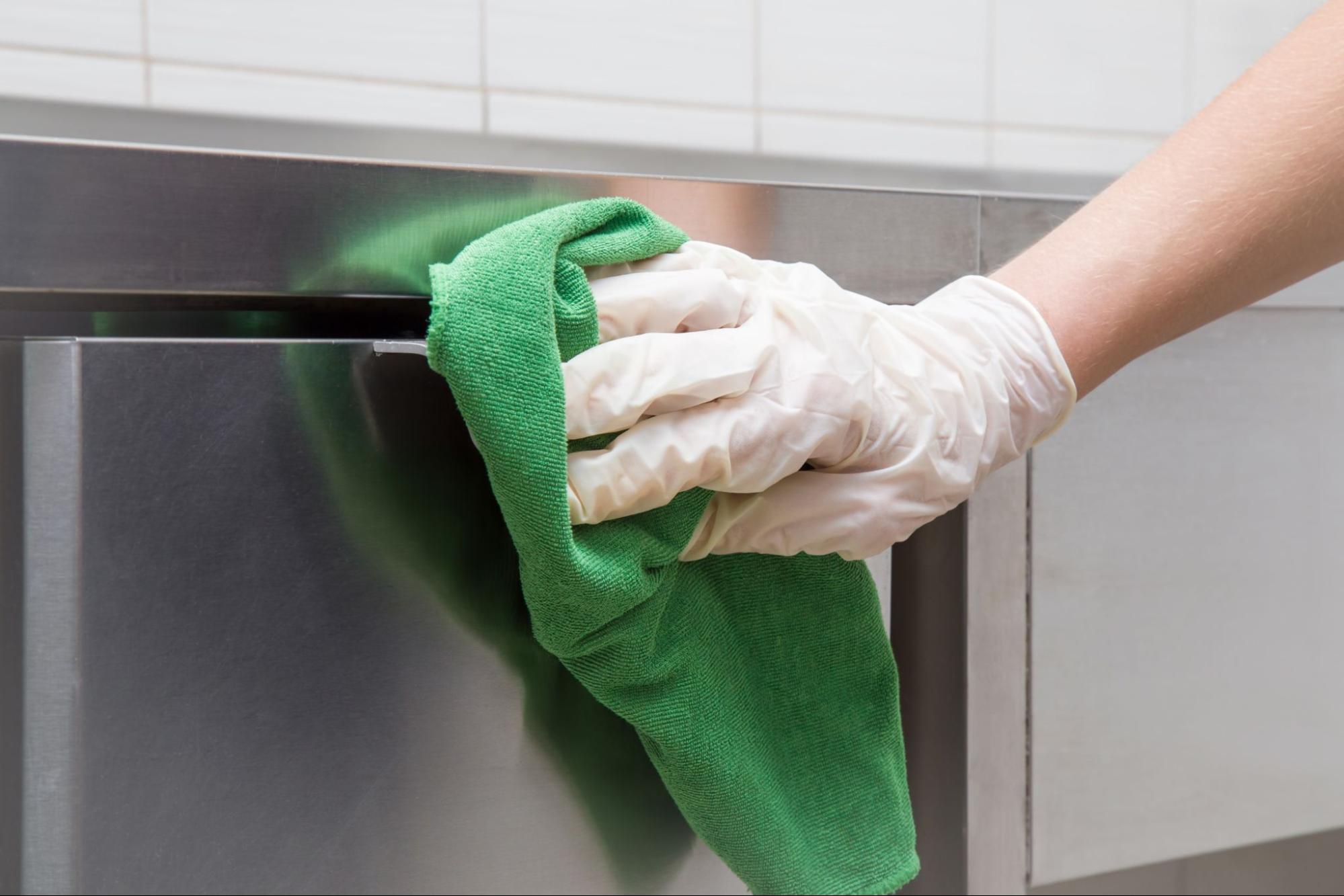
Food safety affects every part of a restaurant’s operation, from prep stations to uniforms worn on the floor. Clean workspaces, consistent procedures, and proper attire all influence how food is handled and served. When these elements are aligned, restaurants reduce risk and protect both guests and staff.
Restaurant food safety matters because foodborne illness can lead to serious health outcomes, operational disruptions, and loss of trust. Contamination can occur at many points if standards are unclear or inconsistently followed. This is why food safety in restaurants must be built into daily routines rather than addressed only during inspections.
Core Safe Handling Practices
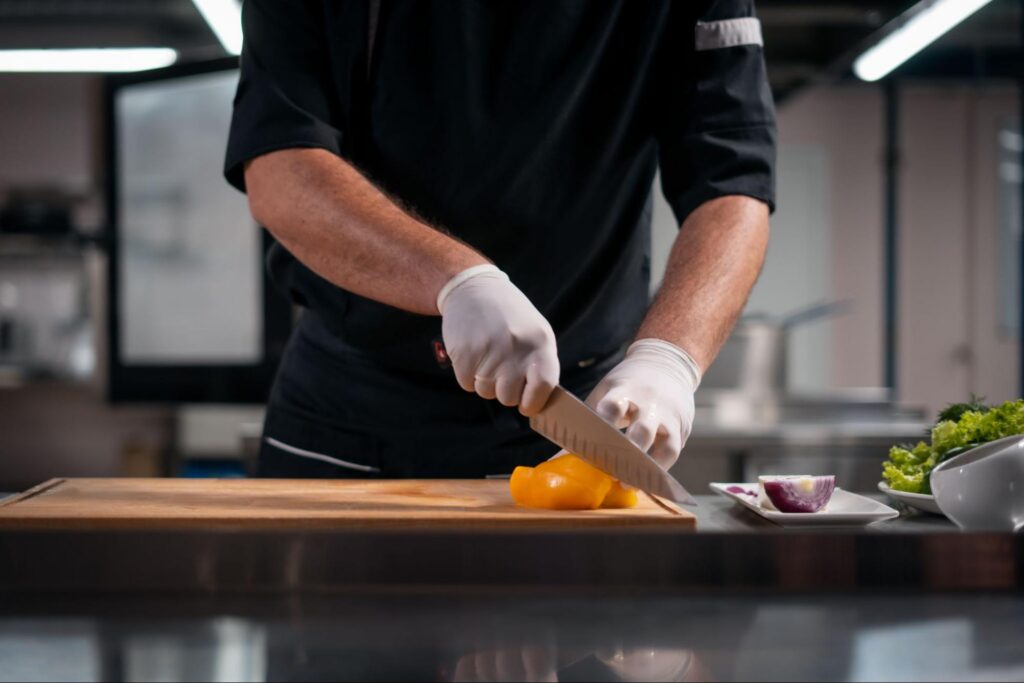
Clear restaurant food safety procedures help staff work confidently and consistently. The practices below represent foundational controls that should be followed during every shift.
Food Storage and Separation
- Store raw meat, poultry, and seafood below ready-to-eat foods
- Use separate containers and shelving to avoid drips and contact
- Label and date all items clearly to support proper rotation
- Keep lids on product whenever possible to reduce exposure
Prep Area Controls
- Assign cutting boards and utensils by food type
- Wash tools with detergent before sanitizing
- Remove items from prep areas before switching tasks
- Keep wiping cloths stored in sanitizer solution between uses
Hand Hygiene and Gloves
- Wash hands after handling raw food, touching waste, or changing tasks
- Change gloves frequently and between tasks
- Never use gloves as a replacement for handwashing
- Keep fingernails short and avoid nail jewelry that can trap residue
These steps support basic food-handling safety and reduce the likelihood of cross-contamination during busy service periods.
Receiving and Storage Checks
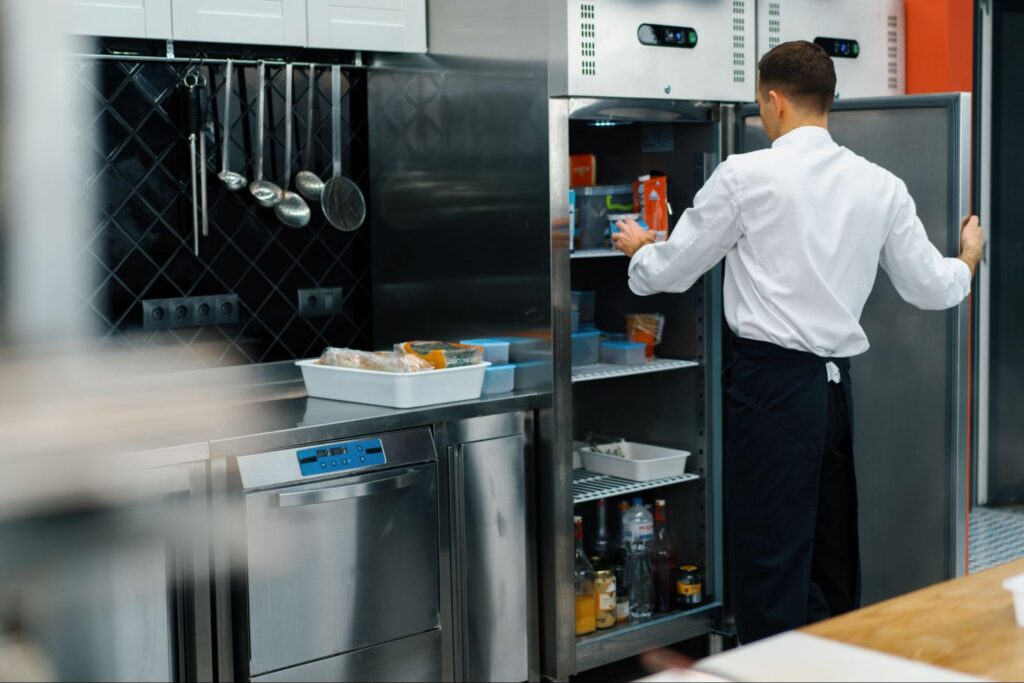
Problems can start before food ever reaches the prep line, so receiving practices matter.
- Check cold items on delivery for safe temperatures and signs of thawing
- Reject packages with damage, leaks, or broken seals
- Store deliveries promptly so foods do not sit in the danger zone
- Keep raw products separated during transport from receiving to storage
- Use a first-in, first-out rotation system to reduce spoilage and waste
These habits help protect quality and make temperature control easier throughout the day.
Cooking and Temperature Management
Cooking food to safe internal temperatures is essential, but it must be verified, not assumed.
- Poultry must reach 165°F
- Ground meats must reach 160°F
- Thermometers should be calibrated and accessible
- Visual cues should never replace temperature checks
Holding temperatures matter as well. Cold foods should remain at or below 41°F, while hot foods should stay at 135°F or higher until service. Documenting checks during peak hours helps teams stay consistent when the kitchen is moving fast.
Cleaning and Sanitizing Routine
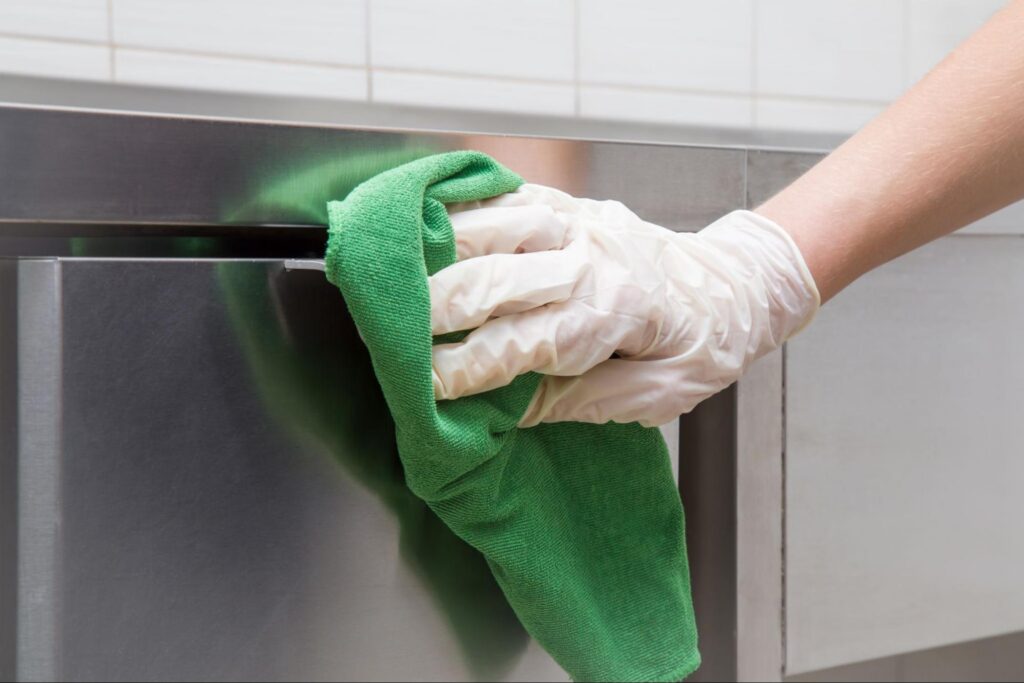
Cleaning works best when it follows a repeatable plan that matches your workflow.
- Set a schedule for high-touch points like handles, switches, and POS areas
- Use the correct sanitizer concentration and contact time per label directions
- Replace sanitizer buckets on a timed cadence or when visibly dirty
- Air-dry utensils and equipment after sanitizing to avoid recontamination
- Break down and clean slicers, can openers, and small equipment daily
A written checklist makes these tasks easier to assign and verify without relying on memory.
Allergen Awareness and Prevention
Allergen control requires intentional practices and staff awareness.
- Clean and sanitize surfaces between allergen-related tasks
- Store allergen-containing ingredients separately when possible
- Train staff to recognize common allergens and exposure risks
- Avoid shared utensils without proper cleaning
- Confirm order modifications verbally at handoff points
Clear communication and consistent cleaning routines help reduce accidental exposure for guests with food sensitivities.
Uniforms as Part of Food Safety
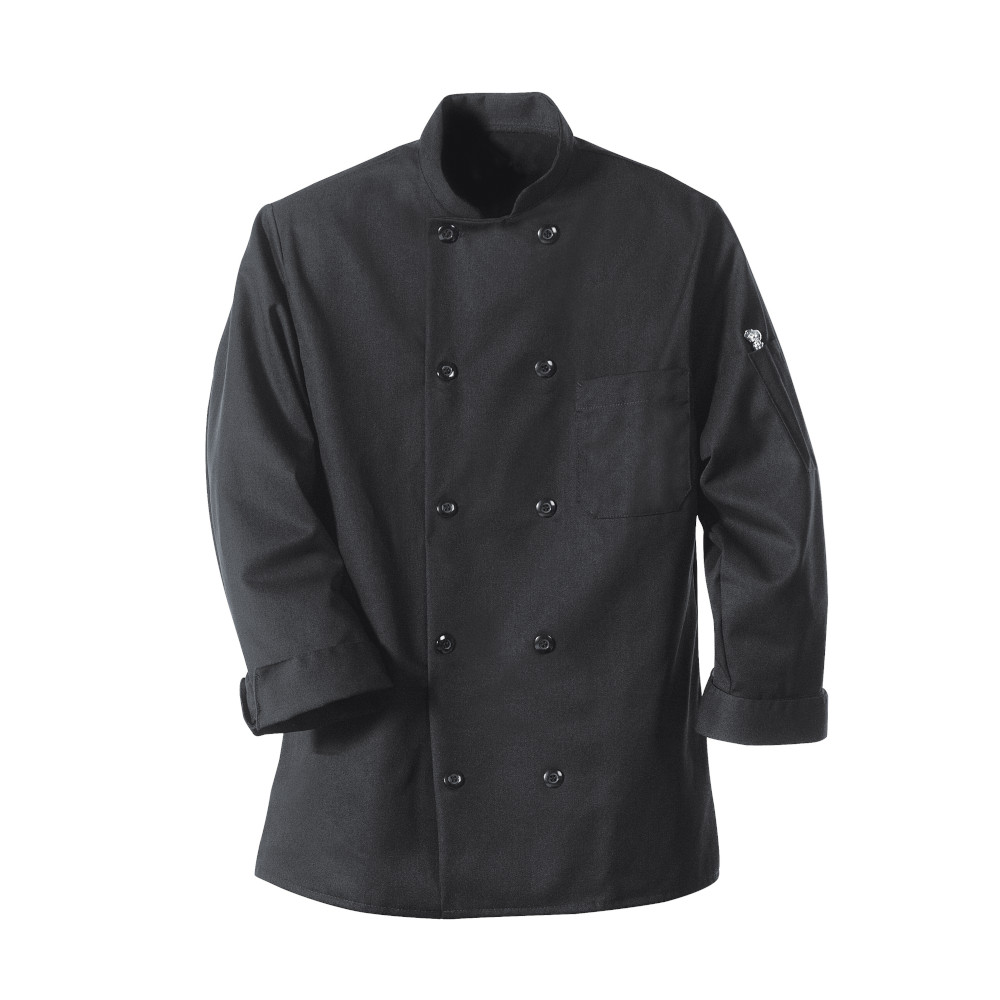
Uniforms play a direct role in maintaining cleanliness in foodservice environments. Clean food service uniforms help limit what employees carry into prep and service areas. Hair restraints reduce physical contamination, while aprons protect garments during food handling.
Professional kitchen apparel should be changed daily or sooner if it becomes heavily soiled. Relying on employees to clean garments at home can lead to uneven sanitation results, especially when grease and allergens are involved.
A managed restaurant uniform rental program supports hygiene by ensuring garments are cleaned using commercial laundering processes designed for foodservice operations. A consistent restaurant uniform rental service also helps maintain availability, fit, and garment condition without placing extra responsibility on staff.
For restaurants with multiple shifts or locations, a restaurant uniform rental service helps standardize cleanliness and appearance across the operation.
Training and Daily Accountability
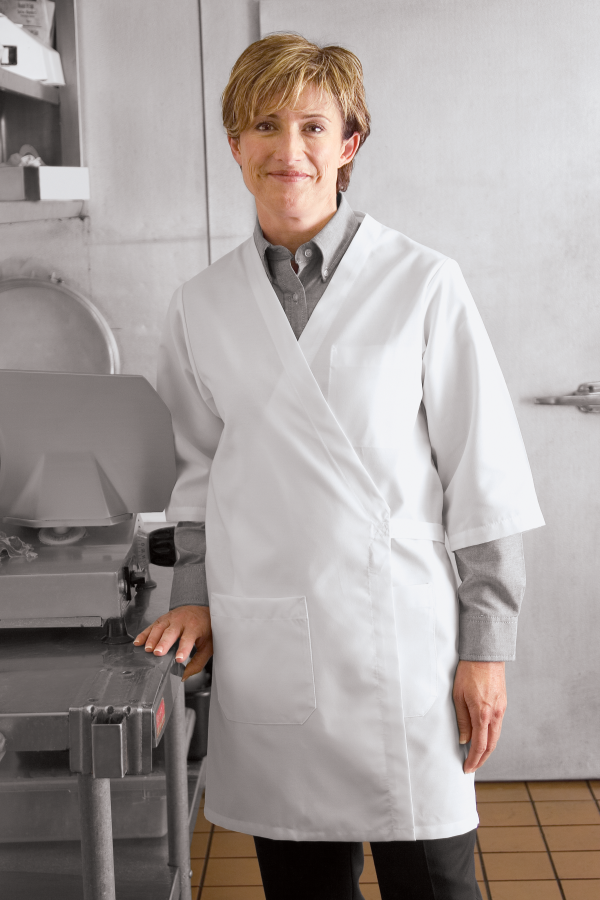
Food safety systems only work when employees understand expectations and apply them consistently.
- Train staff on handling, hygiene, and uniform standards
- Reinforce procedures during onboarding and refreshers
- Address issues immediately rather than waiting for inspections
- Lead by example during every shift
- Keep simple logs for temperatures and cleaning to support follow-through
Clear routines reduce mistakes during high-volume periods and make it easier to identify problems before they escalate.
A System-Based Approach to Safety
Food safety depends on coordination across suppliers, managers, and staff. Approved vendors provide compliant ingredients, but responsibility continues inside the restaurant. Proper storage, preparation, sanitation, and uniform care determine whether food remains safe for guests.
When these elements work together, safety becomes part of the operation rather than a reactive task.
Supporting Safer Operations With Prudential Overall Supply
Prudential Overall Supply helps restaurants maintain clean, reliable uniforms that support food safety standards and daily operations.
Our restaurant uniform rental program includes professional laundering, routine quality checks, and dependable service, helping reduce the risk of contamination caused by inconsistent garment care. By removing the burden of uniform cleaning from employees, restaurants can maintain consistent hygiene across every shift.
Contact Prudential Overall Supply to learn how professionally maintained uniforms can support safer kitchens and more dependable operations.