Technical expertise and equipment are just a small fraction of starting an auto shop. Long-term success depends on selecting the right business model, understanding your local market, and building a reputation that encourages repeat visits and referrals. Customers rely on trust when choosing where to take their vehicles, which makes both operational decisions and customer experience equally important.
Ahead, we’ll cover the basics on how to start an auto repair shop and build customer trust into the process.
Choosing the Right Type of Auto Repair Shop
Auto repair shops can vary in scope and specialization. Defining your focus early helps determine your equipment needs, staffing, and target customers.
Some of the most common types of auto repair shops include:
- General automotive repair shops
- Quick service and oil change shops
- Tire and wheel service centers
- Auto body and collision repair shops
- Auto glass repair and replacement services
- Specialty repair shops (such as brakes, transmissions, or diagnostics)
Each type of shop requires a different level of investment and expertise. General repair shops offer a wider range of services, while specialty shops allow you to focus on a specific area and build deeper technical experience.
Evaluating Market Demand
Before opening your business, evaluate whether there is sufficient demand in your area. A strong customer base supports steady growth, while entering a crowded market without differentiation can limit opportunities.
Start by reviewing:
- Existing automotive businesses in your area
- Services currently available and any gaps
- Local population size and driving habits
- Distance customers travel for automotive services
If your community lacks a specific service, that gap can create a strong opportunity. If similar automotive businesses already operate nearby, your shop will need to stand out through service quality, convenience, or customer experience.
Planning and Launching Your Auto Shop
After selecting your business type and confirming demand, the next step is building a foundation that supports both startup and ongoing operations.
Building an Auto Service Business Plan
A detailed automotive shop business plan provides structure and helps secure financing. It should clearly define how your business will operate and grow.
Your auto service business plan should include:
- A description of your services
- Target customer demographics
- Competitive positioning
- Marketing strategy
- Staffing plan
- Financial projections and startup costs
A well-developed automotive shop business plan supports funding efforts and guides decision-making as your business grows.
Securing a Location
Most auto shops require a physical location designed for both service work and customer interaction. The right location can influence visibility, accessibility, and overall convenience.
Key factors to evaluate include:
- Commercial zoning compliance
- Traffic patterns and ease of access
- Parking availability for customers
- Space for equipment, service bays, and waiting areas
A location with steady traffic can help attract new customers, while a well-designed space supports efficient operations.
Financing and Setup
Starting an auto shop typically requires significant upfront investment. Funding is often used to cover equipment, facility preparation, initial inventory, and early operating expenses before revenue becomes consistent.
Common financing options include small business loans, equipment financing, franchise support, and private investment. The total amount needed will depend on the size of your shop, the services you offer, and the condition of your location.
Once financing and a location are secured, the setup phase begins. This includes preparing service bays, installing lifts and diagnostic equipment, organizing tools, and creating a functional layout that supports efficient workflow.
This stage also involves operational decisions that affect both employees and customers from the start. Establishing systems for scheduling, communication, and daily processes helps create consistency as your business begins serving customers.
At the same time, early marketing efforts should begin. Registering your automotive business online, setting up profiles, and sharing updates about your opening timeline can help build awareness before your doors open.
Outfitting Your Team for Daily Operations
Automotive work exposes employees to chemicals, debris, and constant contact with tools and equipment. Workwear needs to hold up under these conditions while allowing employees to move comfortably throughout the day.
Automotive work uniforms support day-to-day operations by:
- Providing protection during routine service work
- Reducing wear on personal clothing
- Creating a consistent and identifiable appearance across your team
Many auto shops use work uniform rental programs to manage cleaning, maintenance, and replacement without adding internal workload. This approach helps maintain consistency while keeping employees equipped with properly fitted garments.
Setting an automotive uniform standard from the beginning helps establish expectations early and keeps operations consistent as your business evolves.
Marketing and Brand Development
Marketing plays a central role in attracting new customers and establishing your automotive business in the local market. Consistent effort across multiple channels helps build recognition and credibility.
Utilizing Local and Print Marketing
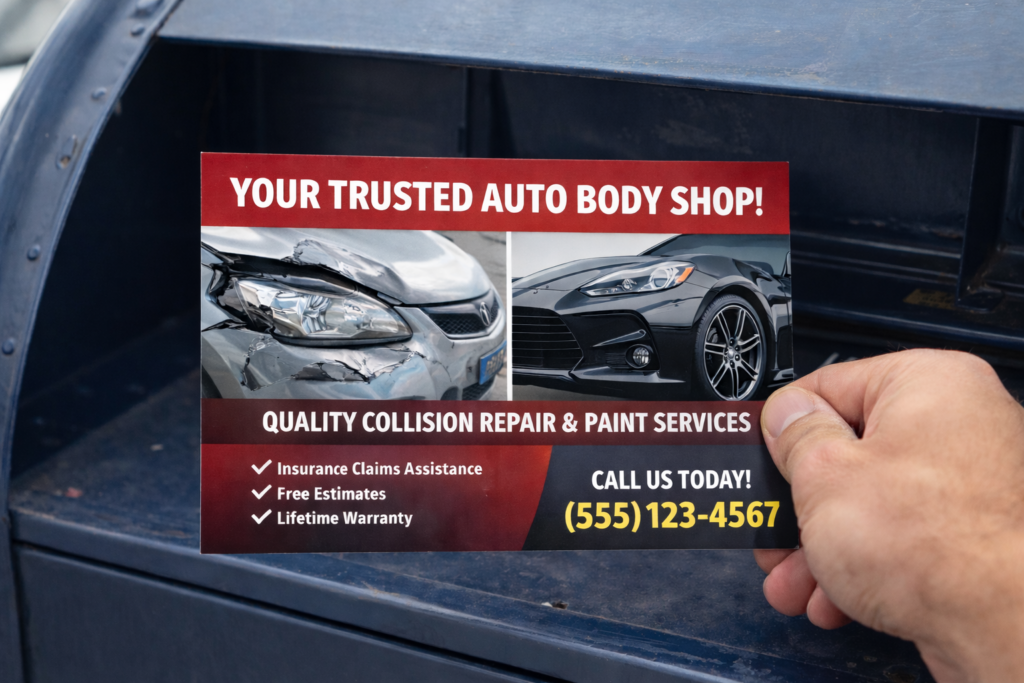
Traditional marketing methods still have a role in supporting local visibility, especially in communities where direct mail and physical signage remain effective.
Examples include:
- Mailing postcards to nearby households
- Distributing flyers in targeted areas
- Posting signage near high-traffic roads
- Participating in local events and partnerships
These methods work best when combined with digital strategies that support how customers search for services today.
Managing Online Presence and Local Listings
Digital visibility is one of the primary ways customers find auto shops. Maintaining accurate and active listings helps your automotive business appear in local search results when customers need service.
Make sure your business information is consistent across platforms like Google Business Profile and Yelp, including:
- Business name, address, and phone number
- Hours of operation
- Services offered
- Photos of your shop, team, and completed work
Customer reviews play a major role in decision-making. Shops with strong ratings and a steady flow of recent reviews are more likely to attract new customers. Responding to both positive and negative feedback shows that your business is active and engaged.
Building a Social Media Presence
Social media supports visibility, credibility, and customer engagement. Many customers review a business’s social presence before making a decision.
An effective approach includes:
- Sharing real examples of completed work
- Posting updates about services or equipment
- Highlighting your team and daily operations
- Responding to questions and comments
Active profiles help reinforce legitimacy and provide additional proof of your work.
Branding Through Visual Identity
Branding extends beyond a logo. Every visual element contributes to how customers recognize and remember your automotive business.
This includes:
- Exterior and interior signage
- Layout and organization of your shop
- Printed materials and digital graphics
- Employee appearance and presentation
Consistency across these elements helps build familiarity and reinforces your presence in the market.
Building Customer Trust in Your Auto Shop
Customer trust plays a central role in the success of any auto repair business. Many customers rely on recommendations and prior experiences when choosing where to take their vehicles.
Why Customer Trust Matters
Auto repair is a reputation-driven industry. Positive experiences encourage repeat visits and referrals, while negative experiences can limit growth.
A significant portion of auto shop owners rely on word-of-mouth referrals as a primary source of new business. Today, online reviews function as an extension of that behavior, influencing how customers evaluate businesses before making contact.
When customers have confidence in your business, they are more likely to return and recommend your services.
Creating Positive Customer Experiences
Every interaction with a customer contributes to their overall perception of your business. Consistent service quality helps build confidence and strengthen relationships.
Focus on:
- Providing accurate diagnostics
- Completing reliable repairs
- Communicating clearly about services and pricing
- Setting realistic timelines for completion
Customers who feel informed and respected are more likely to return and share their experiences.
Presenting Professional Credentials
Modern vehicles require specialized knowledge and ongoing training. Customers want assurance that their vehicles are handled by qualified professionals.
Displaying certifications and training achievements helps establish credibility. Place credentials in visible areas where customers can easily see them.
Continuing education supports your team’s ability to work on evolving vehicle systems and technologies.
Maintaining a Professional Appearance
Customers form impressions quickly when they arrive at your shop. The appearance of your team influences how your business is evaluated before any work begins.
A consistent and professional presentation helps signal organization and accountability. When employees are clearly identifiable and present a unified image, customers are more likely to feel confident in the service they will receive.
Branded mechanic uniforms reinforce customer perception by:
- Supporting a consistent and recognizable team appearance
- Keeping your business name visible during customer interactions
- Helping distinguish your shop from informal or less established operators
Keeping a Clean and Organized Shop
The condition of your shop influences how customers perceive your business. A well-maintained environment reflects attention to detail.
Maintain:
- Clean service bays
- Organized tools and equipment
- A customer waiting area that is clean and comfortable
Consistent upkeep helps support a professional image.
Providing Transparency During Service
Transparency builds confidence in your services. Customers expect clear and timely updates while their vehicle is being inspected or repaired.
Modern approaches include:
- Sending text or email updates during service
- Providing photos or videos of identified issues
- Using digital inspection reports
- Offering clear breakdowns of recommended versus required work
These practices help customers understand what is being done and why, reducing uncertainty during the service process.
Managing Online Reviews and Reputation
Online reviews influence how customers evaluate your shop before making contact. Ratings, feedback, and recent activity all contribute to first impressions.
To manage your reputation effectively:
- Encourage satisfied customers to leave reviews
- Monitor review platforms regularly
- Respond to both positive and negative feedback
- Address concerns in a professional and timely manner
Active review management helps establish credibility and shows that your business is engaged with its customers.

Customer Retention and Ongoing Engagement
Building trust encourages customers to return, but retention depends on structured follow-up and ongoing engagement after the initial visit.
Managing Customer Data and Follow-Up
Organizing customer information allows your business to maintain consistent follow-up after service is completed. A structured system helps track service history and identify when customers are likely to return.
This information can be used to:
- Send service reminders based on time or mileage
- Follow up after completed work
- Recommend future services based on past visits
- Track maintenance history across vehicles
Consistent follow-up helps keep your business top of mind when customers need additional service.
Implementing Loyalty and Incentive Programs
Loyalty programs encourage repeat visits by providing clear incentives for customers to return.
Common approaches include:
- Discounts after a set number of visits
- Points-based systems tied to service spending
- Free or discounted routine services after multiple appointments
- Referral incentives for bringing in new customers
These programs support long-term relationships and increase customer lifetime value.
Maintaining Engagement Through Social Media
Social media helps reinforce relationships with existing customers and keeps your business visible between visits.
Use social platforms to:
- Share updates and seasonal service reminders
- Highlight completed work or customer experiences
- Provide maintenance tips and service insights
Regular activity supports continued engagement without duplicating direct communication efforts.
Strengthen Your Business With Professional Automotive Uniforms and Shop Supplies

Outfitting your team with the right automotive work uniforms and supplies supports both daily operations and customer perception. A managed program from Prudential Overall Supply helps ensure employees are consistently equipped with durable, properly fitted apparel designed for automotive work environments.
With a full-service work uniform rental program, your team receives individually assigned garments, routine cleaning, repairs, and scheduled weekly delivery. This reduces administrative workload while maintaining a consistent and professional appearance across your staff without requiring upfront investment.
In addition to automotive uniforms, Prudential Overall Supply provides essential automotive shop items, including towels, microfiber products, cleaning chemicals, floor mats, gloves, and restroom paper products and odor control. Having these services managed together helps keep your operation organized and supports a cleaner, more professional environment for both employees and customers.