
Becoming a culinary chef requires training, practical experience, and a strong understanding of professional kitchen operations. Many chefs begin by learning fundamental cooking techniques, working in restaurant kitchens, and developing specialized skills over time.
The path can include culinary school, apprenticeships, or on-the-job training. Successful chefs combine creativity with discipline, time management, and leadership to run efficient kitchens and deliver consistent food quality.
What Does a Culinary Chef Do?
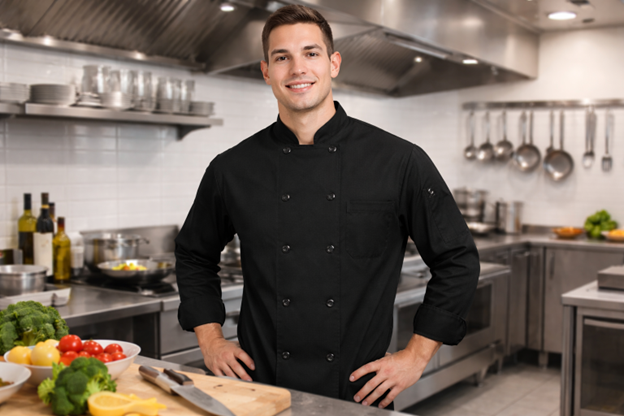
A culinary chef is responsible for planning menus, preparing food, supervising kitchen staff, and maintaining food safety standards. In professional kitchens, chefs also manage inventory, coordinate with suppliers, and ensure dishes meet consistent quality expectations.
Different chef roles exist within restaurant kitchens, each with specific responsibilities. For example, the executive chef oversees the entire kitchen operation, while a sous chef manages daily workflow and assists with leadership tasks. Line cooks focus on preparing specific menu items and executing dishes during service.
Beyond cooking, chefs often perform duties related to staffing, budgeting, and operational efficiency. This combination of culinary skill and management responsibility defines the profession.
Research Culinary Education Options
Many aspiring chefs pursue formal training through culinary programs. Institutions such as the Culinary Institute of America offer structured education in cooking techniques, kitchen management, food science, and food service apparel.
Common education paths include:
Culinary school programs
- Associate or bachelor’s degrees in culinary arts
- Training in knife skills, cooking methods, and food safety
- Instruction in restaurant management and menu development
Apprenticeships
- Hands-on training under experienced chefs
- Real restaurant experience while learning techniques
- Opportunities to build professional connections
On-the-job training
- Starting as a prep cook or line cook
- Learning kitchen systems through daily operations
- Developing skills through mentorship and experience
Many successful chefs combine classroom education with restaurant experience.
Core Skills Every Culinary Chef Needs
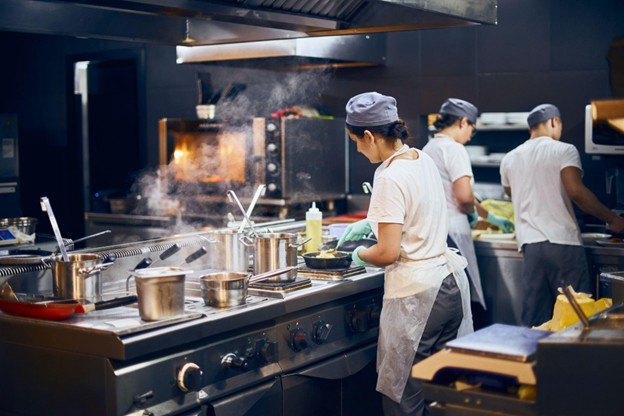
Professional kitchens require more than cooking talent. Chefs must manage fast-paced environments while maintaining consistent quality. Important skills include:
Time management
Kitchen service often involves preparing dozens of dishes within tight time windows. Organization and efficiency help chefs maintain pace during busy periods.
Leadership
Chefs frequently supervise kitchen teams. Strong communication and clear instructions help coordinate cooks, servers, and kitchen assistants.
Attention to detail
Consistency matters in professional cooking. Chefs must monitor flavor balance, presentation, and portion sizes.
Problem solving
Kitchen operations involve unexpected challenges such as supply shortages, equipment issues, or staffing changes. Chefs need to adapt quickly while maintaining service quality.
Understanding the Demands of Professional Kitchens
Working as a chef involves high expectations and fast-paced environments. Before pursuing a culinary career, it is helpful to understand common workplace realities.
Typical demands include:
- Maintaining performance under constant pressure
- Accepting feedback from managers, customers, and team members
- Continuing to learn new recipes and techniques
- Managing kitchen staff and scheduling shifts
- Filling in for missing staff during busy service periods
- Maintaining strict food safety and hygiene standards, including food service uniforms
Restaurants, hotels, and catering operations rely on consistent execution. Chefs must balance creativity with operational discipline.
Learn the Fundamentals of Cooking
Professional chefs begin with foundational cooking skills. Mastering these basics builds confidence and prepares cooks for more advanced techniques.
Essential skills include:
Knife techniques
Proper knife handling improves safety, speed, and food preparation quality.
Cooking methods
Learning roasting, sautéing, braising, grilling, and steaming helps chefs understand how different ingredients respond to heat.
Ingredient knowledge
Chefs study flavor combinations, ingredient seasonality, and how foods react to different cooking methods.
Food safety
Following standards such as those taught by ServSafe helps chefs maintain safe food handling and sanitation practices.
Strong fundamentals support creativity later in a culinary career.
Explore Different Cuisines and Specializations
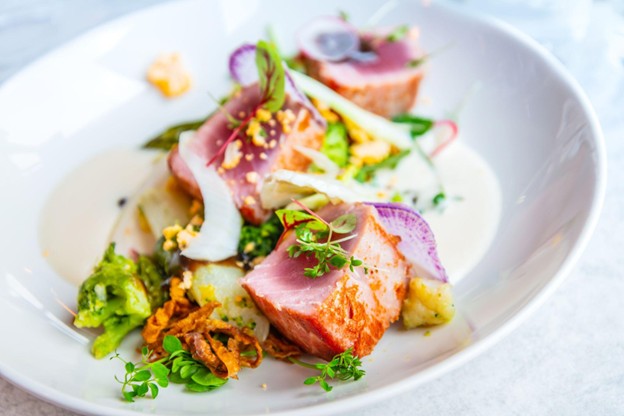
Many chefs develop expertise in a specific cuisine or culinary style. Specialization helps chefs refine their skills and stand out in competitive restaurant environments.
Common areas of focus include:
- French cuisine
- Italian cuisine
- Pastry and baking
- Plant-based cooking
- Regional or cultural specialties
Studying global cooking traditions expands knowledge of ingredients, flavor profiles, and presentation styles. Exposure to different culinary techniques also improves creativity in menu development.
Gain Real Kitchen Experience
Hands-on experience is one of the most important steps toward becoming a chef. Many professionals begin by working entry-level roles in restaurants.
Common starting positions include:
- Prep cook
- Line cook
- Kitchen assistant
- Pastry assistant
These roles provide exposure to kitchen workflows, equipment, and service routines. Working alongside experienced chefs also provides mentorship and opportunities to learn industry standards.
Restaurant experience helps aspiring chefs understand the pace and expectations of professional kitchens.
Practice Cooking Outside of Work
Many chefs refine their skills through continuous practice. Cooking at home, experimenting with new recipes, and exploring unfamiliar ingredients can strengthen culinary knowledge.
Practical ways to improve skills include:
- Preparing meals regularly for family or friends
- Experimenting with new ingredients and techniques
- Visiting specialty food markets
- Studying food trends and emerging cuisine styles
The food industry evolves constantly. Chefs who stay curious about ingredients, cooking methods, and global cuisines tend to develop stronger professional skills.
Use Professional Kitchen Apparel
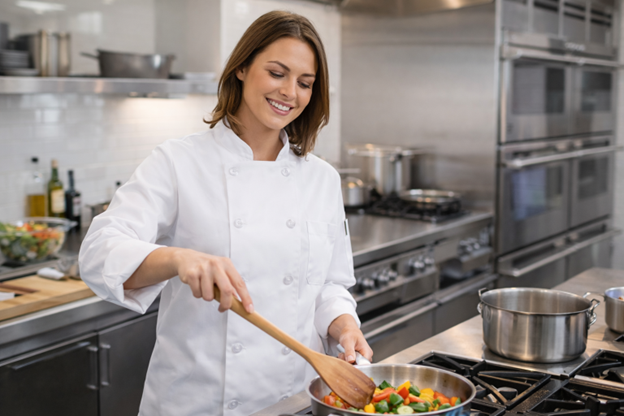
Professional kitchens require durable and sanitary food service uniforms. Chef coats, aprons, and kitchen uniforms help maintain cleanliness and protect workers from heat and spills.
Restaurant staff uniforms are designed for:
- Food safety and hygiene compliance
- Heat and stain protection
- Professional appearance in restaurants and catering operations
Wearing a professional chef uniform during practice sessions can also help aspiring chefs become familiar with the working environment of commercial kitchens.
Partner With Prudential Overall Supply
High-quality chef coats, aprons, and kitchen garments support cleanliness, safety, and comfort in demanding culinary environments.
Prudential Overall Supply helps culinary professionals access dependable uniform programs used across the food service industry. As one of the most trusted uniform supply companies, Prudential Overall Supply provides a work uniform rental program that keeps food service apparel clean, maintained, and ready for the kitchen.
Contact Prudential Overall Supply to learn more about professional kitchen apparel and services.